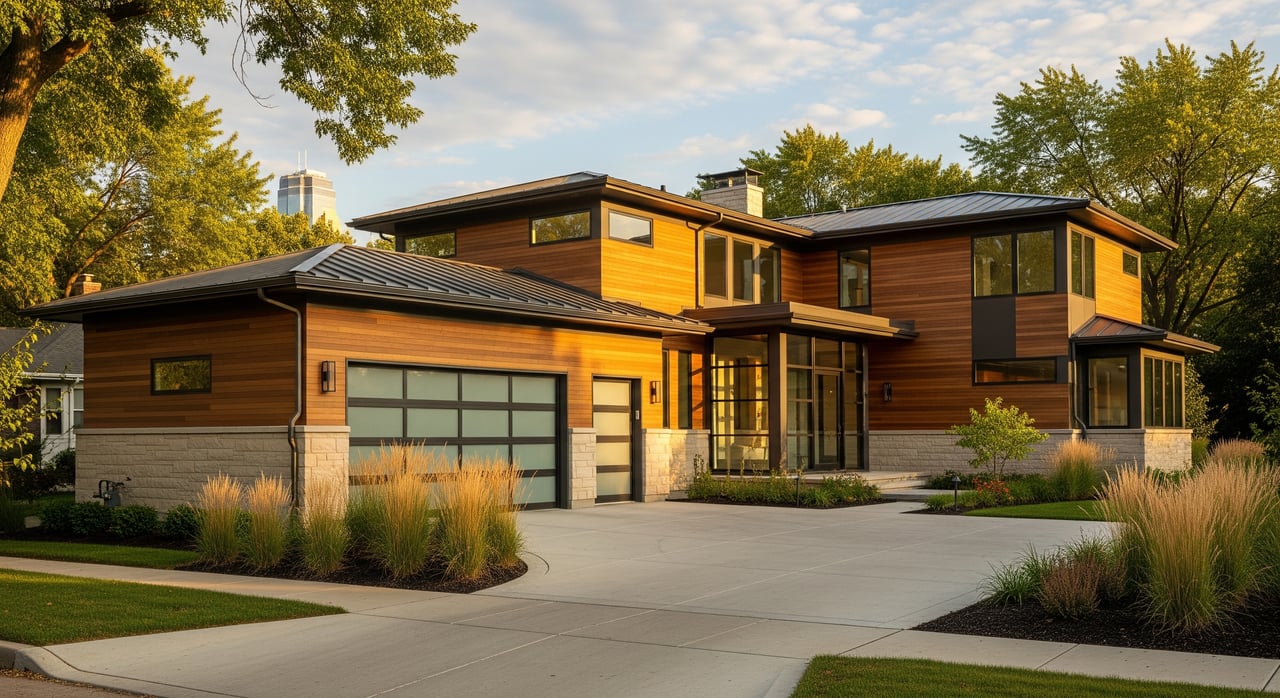
Financing New Builds in Minneapolis: What to Expect
Building a new home in Minneapolis is exciting, but financing it works differently than a standard purchase. You want clarity on loan options, city timelines, and costs so you can plan with confidence. In this guide, you’ll learn how construction loans work, what lenders expect, how permits and local fees affect timing, and which protections and assistance programs may help. Let’s dive in.
A construction-to-permanent loan funds the build in stages and then converts to your long-term mortgage when the home is complete. You get a single closing, which can simplify costs and reduce re-qualification risk. Program details vary by lender, so confirm terms early. For a plain-English overview, review Freddie Mac’s consumer guide to building loan options.
A construction-only loan is short term and funds draws during the build. You then secure a separate permanent mortgage at completion, which means two closings and potential re-qualification. The CFPB explains how construction loans generally work, including common interest-only payments during construction.
FHA and VA allow construction financing in certain cases, often as one-time close products. Availability depends on lender participation and program rules. USDA can apply in rural areas, which usually excludes most of Minneapolis city addresses. For a quick comparison of options, see Freddie Mac’s overview and ask your lender what is currently offered.
Modular and manufactured homes have specific eligibility rules. Lenders often require a permanent foundation, title conversion, and compliance with relevant standards. Confirm product eligibility with your lender before you write an offer.
Construction financing usually asks for a larger borrower contribution than a typical purchase mortgage. Lenders often want stronger credit and proof of cash reserves to cover contingencies. Ask early about maximum loan-to-value, required reserves, and how overruns are handled.
Lenders release funds in draws as work is completed. Expect inspections or third-party verifications at each stage, plus related fees. The CFPB’s consumer materials outline that construction loans are typically interest-only during the build, with clear disclosures on how funds are advanced. See the CFPB overview for what to expect.
Active construction for a typical single-family home often takes several months after plans and permits, and total planning-to-move-in can take longer based on scope and weather. A practical range is 7 to 12 months for construction, with longer timelines for complex builds. For context, review this plain-language timeline discussion. Your loan usually converts to permanent financing once the City issues a Certificate of Occupancy.
Minneapolis routes new construction plans through multiple departments. Initial reviews can take several weeks, and resubmittals add time. Factor this into your start date and loan timeline. The City posts plan review and inspection resources to help you track steps.
Permit fees are based on job valuation, and additional charges can include plan review, state surcharges, utility availability, inspections, and street use. Ask your builder to itemize these so your lender can include them in the budget. Review the City’s permit fee guidance before you finalize costs.
Lenders usually require a final inspection or Certificate of Occupancy to release the last draw or convert your loan. Confirm with your lender how the CO will trigger conversion and if any escrows or final documents are due at that time. The City’s plan review resources outline inspection steps tied to occupancy.
Minneapolis can levy special assessments for public improvements like sidewalks, alleys, or utilities. Some are pending during construction and later appear on your Hennepin County tax bill, while others can be prepaid. Learn how pending and levied assessments work on the City’s special assessments page. Also plan for higher assessed value once your new home is complete. Minnesota statute outlines how improvements are valued for taxes; see Minn. Stat. ch. 273.
Minnesota launched first-generation down payment assistance that can be used on qualifying owner-occupied purchases, including new builds, subject to income and price limits and full underwriting pre-approval. Start with the program details and lender steps at the First-Generation Homebuyers site. Funding is limited, and availability changes. Minnesota Housing has posted status updates when funds were exhausted, such as this program notice. Check live status with your lender and the program administrator.
Hennepin County and partner organizations periodically offer down payment assistance that can pair with a first mortgage on a qualifying new build. Terms, income caps, and timelines vary. Ask your lender which local programs can be layered with your construction loan or permanent mortgage.
Minnesota law provides statutory warranties on new homes: one year for workmanship and materials, two years for plumbing, electrical, and HVAC installation, and ten years for major structural defects. These protections apply even if ownership changes. Review Minn. Stat. ch. 327A and request the builder’s written warranty documents before you commit.
Confirm who pays special assessments and utility connections, how change orders are approved and funded, the draw schedule, any holdbacks, and what triggers final payment and conversion. Ask your lender to walk you through the Loan Estimate and how construction and permanent phases will be documented and priced.
Builders typically carry builder’s risk coverage during construction. Your lender will tell you when your homeowner’s policy must start and whether escrows for taxes and insurance will be required at conversion. Clarify these dates in writing.
You deserve a clear path from blueprint to closing. If you want a thoughtful strategy for financing, timelines, and contract terms on a Minneapolis or west‑metro new build, let’s talk about a plan that fits your goals. Connect with Jim Schwarz to get started.







I pride myself in providing personalized solutions that bring my clients closer to their dream properties and enhance their long-term wealth.