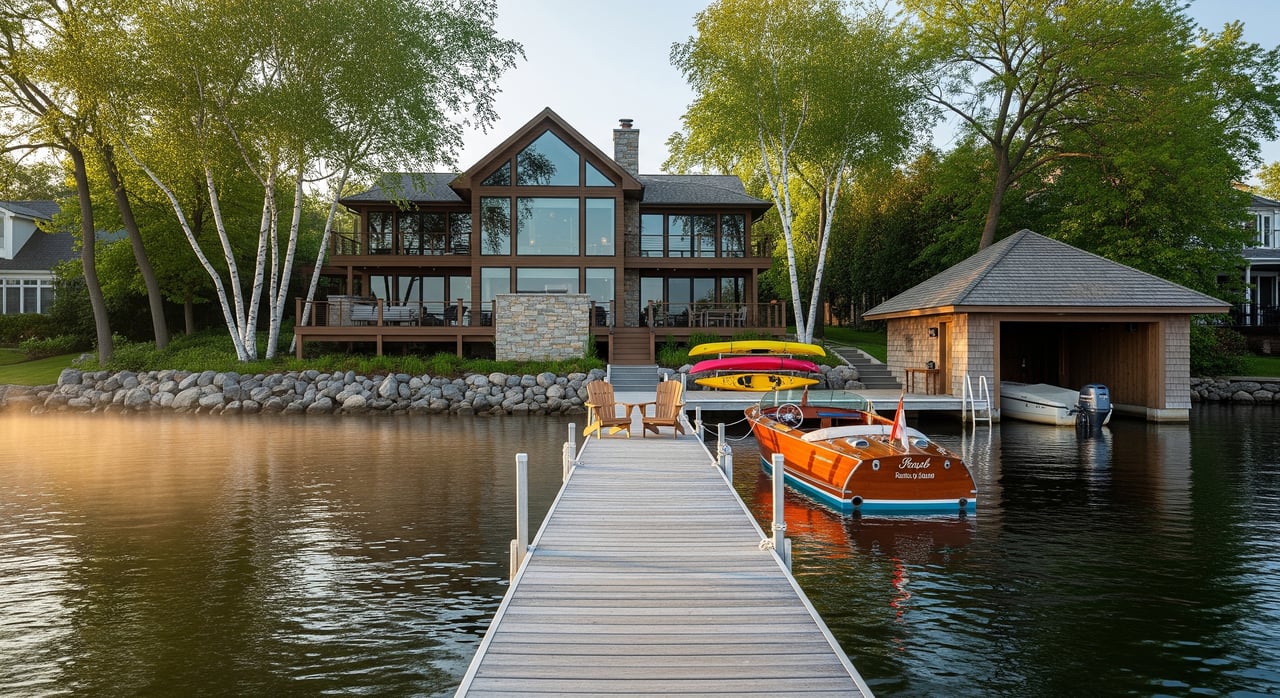
Wayzata Lakefront Living: Everyday Life On The Water
What if your morning coffee came with open-water views, and your evenings ended with a quiet cruise back to the dock? If you are drawn to the rhythm of the lake, Wayzata offers a lifestyle that shifts with the seasons yet stays grounded in community. You want clarity on what daily life really looks like here, from boating and winter routines to housing types, docks, schools, and commute options. This guide breaks it down so you can picture yourself living on the water and make confident decisions. Let’s dive in.
Wayzata is a compact, lakeside suburb on the northeast shore of Lake Minnetonka. The community is small, with a population in the low thousands, and household incomes that trend above the state median. That scale shapes everyday life. You find a walkable downtown, strong civic focus on the lake, and a steady, service-oriented approach to waterfront management.
The lake is the community’s focal point. Downtown restaurants, cafés, boutique retail, and lakeside public spaces are clustered near the water. The area attracts residents and visitors who come for the views, the food scene, and the easy connection to the shore.
When the weather turns warm, lake life moves into full view. You see motorboats, sailboats, pontoons, and paddleboards slipping in and out of bays. Evenings often end with a sunset cruise or a shoreline walk. Public launches, marinas, and private docks support the activity, and you will hear a steady hum of boats on fair-weather weekends.
If you are planning to boat, review state boating rules and local lake use norms. The Minnesota Department of Natural Resources provides guidance on safe operation, registration, and seasonal best practices. Get familiar with DNR boating information before you launch.
Winter shifts the pace. When ice conditions allow, you see ice fishing, skating, and nearby cross-country skiing. Docks and lifts are commonly removed or secured for winter, and shoreline areas are managed for ice movement. Always confirm conditions. The DNR’s ice safety guidance is a good starting point each season.
Wayzata’s downtown is designed for daily convenience. Grocery runs, coffee, salons, fitness studios, and boutique shopping are within a short walk for many residents. You can meet a friend for lunch, pick up a few items, and be back at the dock for an afternoon ride.
Beyond the core, suburban-style retail and services in neighboring communities cover larger errands and specialty appointments. For local park access, marina details, event updates, and community services, check the City of Wayzata website.
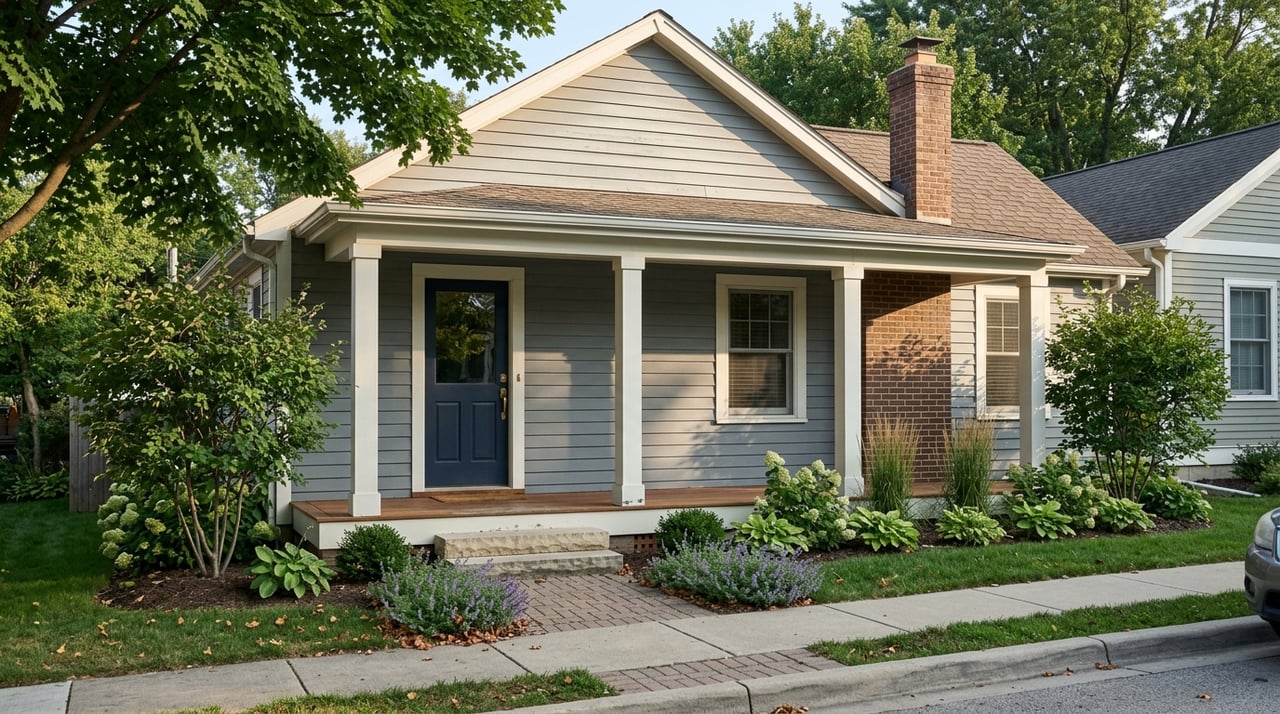
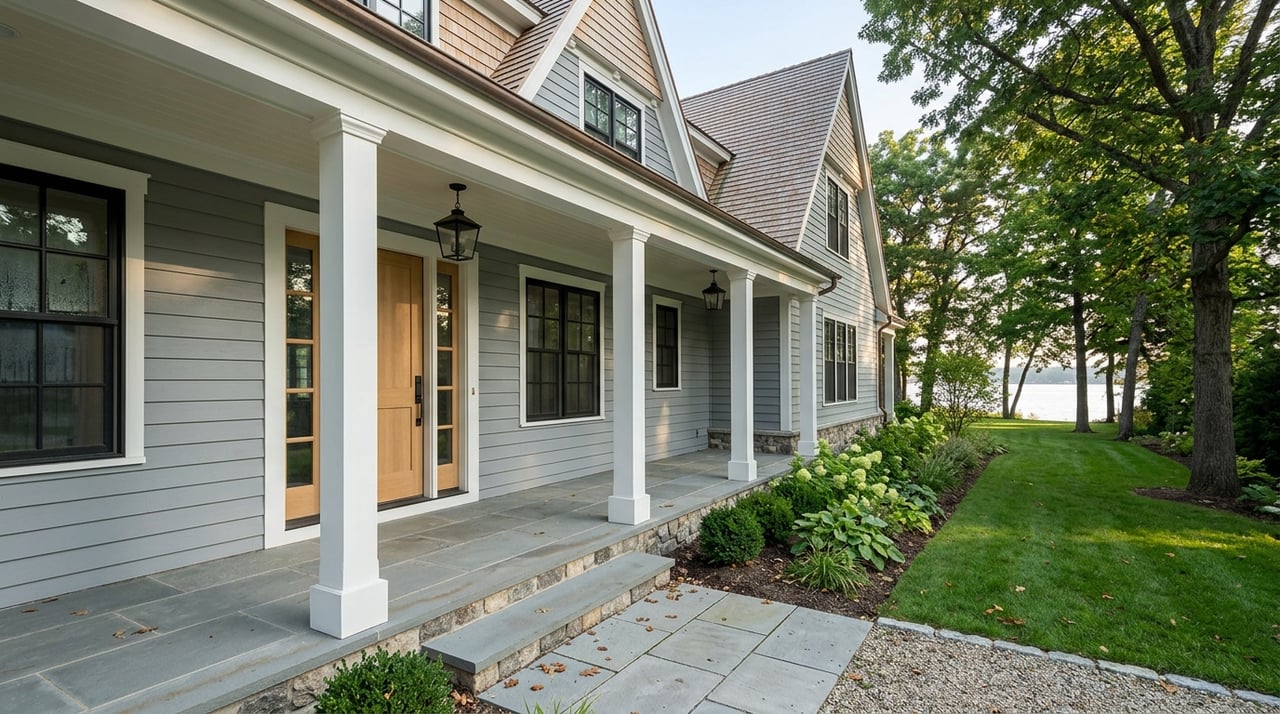
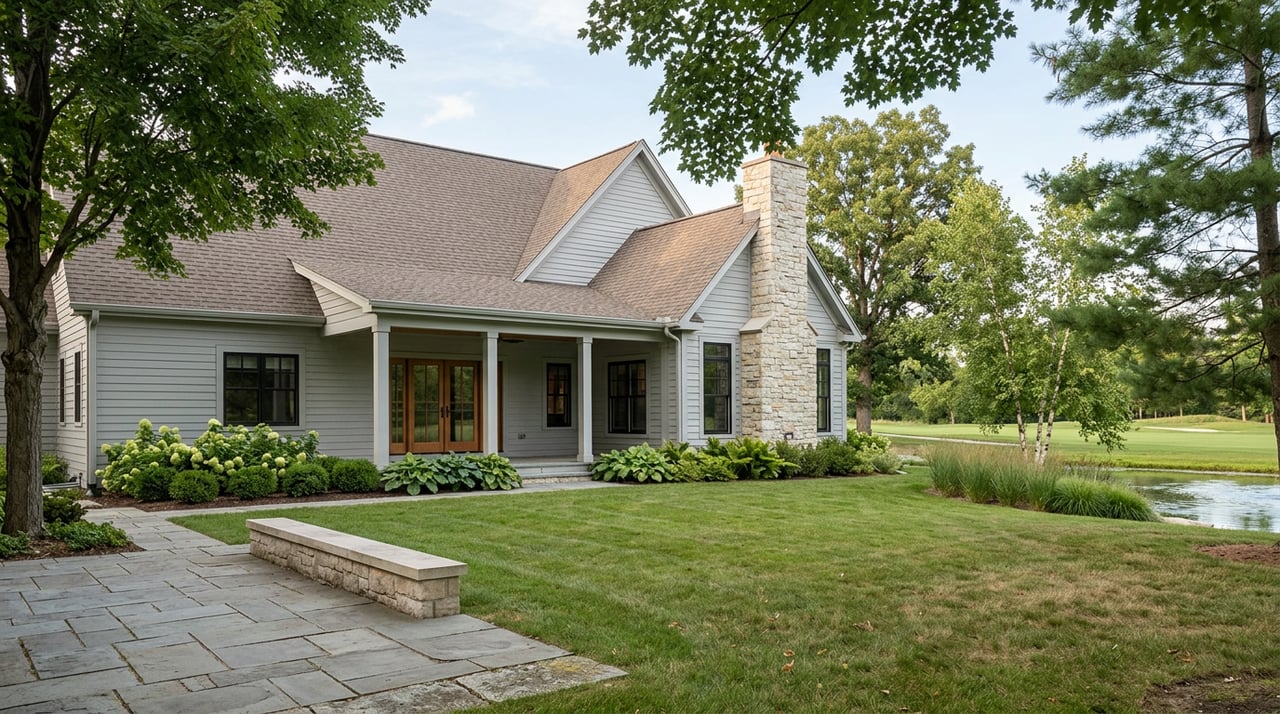
Waterfront properties range from restored cottages to new-build estates with modern amenities. Many lots have seen redevelopment over the years, so you will find a mix of architectural styles and construction vintages. Orientation to the water, shoreline type, and dock rights drive lifestyle and long-term value.
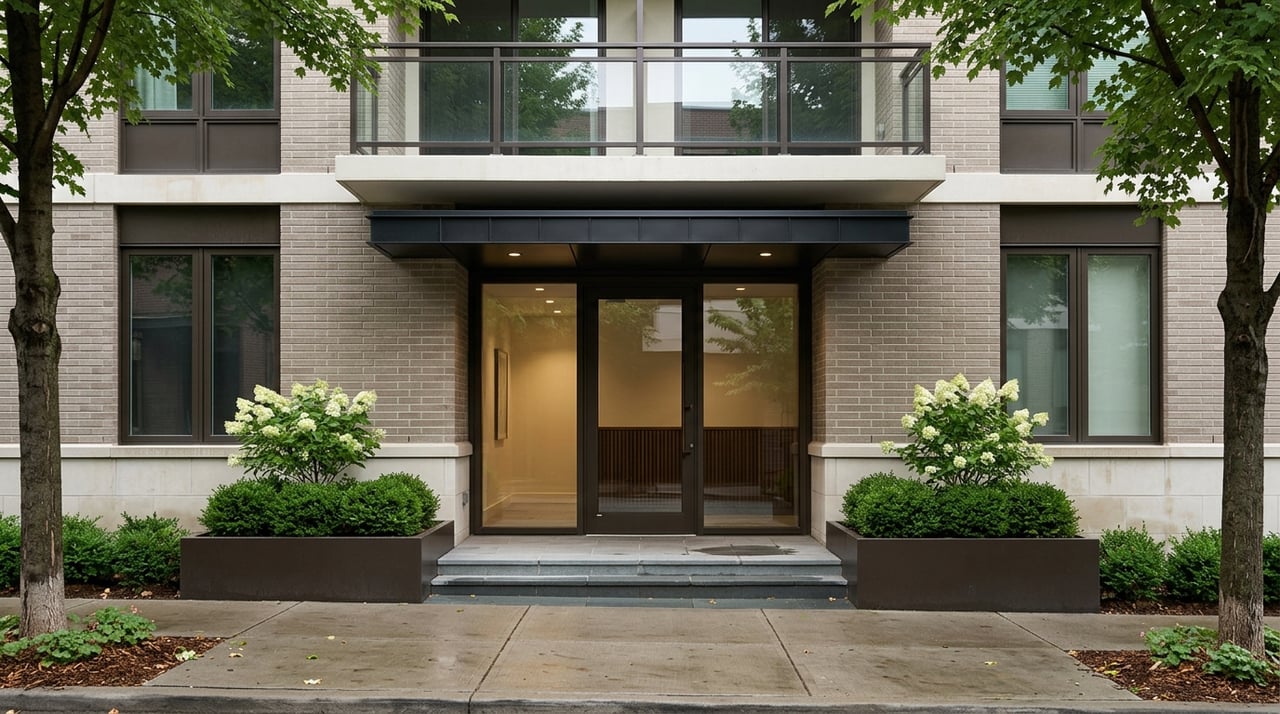
If you want proximity to downtown and low exterior maintenance, condos and townhomes near the core are appealing. Many offer easy access to dining, shopping, and the lake’s public spaces. They can also serve as lock-and-leave options if you split time between homes.
Wayzata’s market skews above regional medians. Lakefront homes command a premium tied to frontage, views, and navigable access, while inland homes and non-lake condos are generally more attainable. Prices move with market cycles. Review current MLS data and recent comparable sales for a precise picture before you act. A local advisor can interpret nuances by bay, shoreline, and neighborhood.
Waterfront ownership comes with responsibilities. Docks, lifts, and shoreline structures often require permits, and you may need to follow shoreland zoning rules that address size, placement, and setbacks. Start with city permitting and state shoreland guidance to avoid delays. For local rules and applications, visit the City of Wayzata. For broader shoreland and watercraft standards, consult the Minnesota DNR.
Rules and fees can change. Always verify current requirements with the city planning or building department before making improvements, adding a dock, or modifying shoreline vegetation.
Shoreline buffers, native plantings, and erosion controls help keep the lake healthy. Invasive species prevention is a shared priority. Before moving watercraft between lakes, follow state cleaning and inspection guidance. For water quality advisories or reports, check the Minnesota Pollution Control Agency and the DNR during active boating and swimming seasons.
If Wayzata will be your primary residence, many properties connect to municipal utilities. Confirm utility service for a specific address with the city. If you plan to use a home seasonally, build a reliable plan for winterization and access. Here is a simple checklist:
Waterfront exposure can affect coverage needs and premiums. Some policies include vacancy or winterization requirements. Obtain quotes that reflect shoreline risk and any auxiliary structures like docks or lifts. For property records and tax questions, start with Hennepin County. Waterfront valuation is sensitive to lot specifics, so review the parcel description and recent assessments.
Short-term rental policies vary by city, HOA, and county, and they evolve. If you are considering rental income, confirm allowable terms, licensing, occupancy limits, and tax obligations with the city and the Minnesota Department of Revenue. Align plans with neighborhood norms to avoid surprises.
Wayzata functions as a bedroom suburb for Minneapolis and the western business corridor. Drive times to downtown or the airport vary by route and time of day. Expect heavier traffic during rush hours and weather-related variability.
Public transit options are available but more limited than in denser urban neighborhoods. Review current routes and park-and-ride options on Metro Transit, and check active road projects and traffic conditions with MnDOT before you plan daily schedules. If you cycle or use rideshare, factor in seasonal changes.
Addresses in and around Wayzata are served by Wayzata Public Schools. School assignment depends on the property’s location. Verify boundary and enrollment information directly with Wayzata Public Schools. If schools are central to your decision, align your search criteria with the specific attendance areas that fit your needs.
Begin with lifestyle first. Outline how you want to use the water, your ideal distance to downtown, and your tolerance for seasonal maintenance. Decide if you prefer a primary home or a part-time retreat. Then build your due diligence plan.
If you want an experienced, process-driven partner who combines lakefront nuance with premium marketing and negotiation, schedule a private conversation with Jim Schwarz. You will get a clear plan that fits your lifestyle, supported by white-glove service and the reach of Sotheby’s.

I pride myself in providing personalized solutions that bring my clients closer to their dream properties and enhance their long-term wealth.