Is your timing right for the lake? Around Lake Minnetonka, the calendar can be as important as the kitchen or the dock. If you are planning to buy or sell near Wayzata, understanding how ice-out, boating season, and fall slowdown shape demand will help you make a smarter move and a stronger offer. In this guide, you will learn what happens in each season, what changes in Wayzata compared with other bays, and how to plan inspections, permits, and closings with confidence. Let’s dive in.
The Lake Minnetonka cycle
Late winter: setting the stage (January–March)
Showings are slower and many sellers hold listings until the water opens. You will see longer market times and fewer active buyers, though motivated relocations and investors do shop now. If you are a seller, this is a smart period to complete repairs, line up permits, and prepare marketing so you can launch at the first sign of open water.
Spring after ice-out: peak window (April–June)
This is the most active stretch. When open water returns, buyer traffic and new listings jump. Multiple offers are most common, and time on market is shortest. If you want to use the lake this summer, aim to be under contract in spring and target a closing before or early in boating season.
Peak listing season: April to June, immediately after ice-out. Activity and pricing velocity drop after Labor Day.
Summer boating season: strong but selective (June–August)
Showings remain high, often on weekends and evenings. Prime waterfront with open Wayzata Bay exposure, deep water, or walkable amenities continues to move quickly. Homes that need work or have limited dockage can sit longer. Many spring contracts close during this time.
Early fall: softer market, more leverage (September–October)
Traffic tapers after Labor Day. Buyers who value crisp weather tours and off-peak deals often reenter. Price reductions become more common for listings that missed in spring. You gain negotiating leverage as a buyer, and as a seller you may choose either a strategic price adjustment or to pause for winter.
Late fall to winter: quiet, value-focused (November–March)
This is the slowest period for showings. Waterfront buyers often wait for open water, so marketing windows are longer. Winter purchases can deliver value, but expect limits on dock and shoreline assessments until thaw.
What shifts the Wayzata timeline
Downtown walkability and access
Wayzata’s restaurants, retail, and commuter access to Minneapolis create year-round appeal. That means some homes here see steadier interest even in colder months, compared with more remote bays that rely more on the boating calendar.
Bay exposure and depth
Open Wayzata Bay and deepwater points typically draw stronger year-round demand and show less price fluctuation. Smaller, shallow, or protected coves see a shorter open-water season and more pronounced spring and summer peaks.
Marinas and dockage nearby
Proximity to public launches and private marinas increases spring demand. Buyers prioritize guaranteed dockage, slip options, and practical access as soon as the water opens.
Rules and permits that affect timing
The Lake Minnetonka Conservation District manages docks and certain shoreline uses. The City of Wayzata and Hennepin County oversee zoning, septic, and shore stabilization. Permit lead times can add weeks or months, so plan your closing date with enough runway if you want dock or shoreline work before summer.
Buyer playbook by season
- Late winter: Move fast on the right opportunity. You may secure better terms but will have less visibility into weeds, water clarity, or depth. Build flexibility into inspection timelines that depend on thaw.
- Spring: Prepare for competition. Have proof of funds or pre-approval ready, tighten deadlines, and include clear contingencies for dock, shoreline, and septic reviews. Expect faster seller responses.
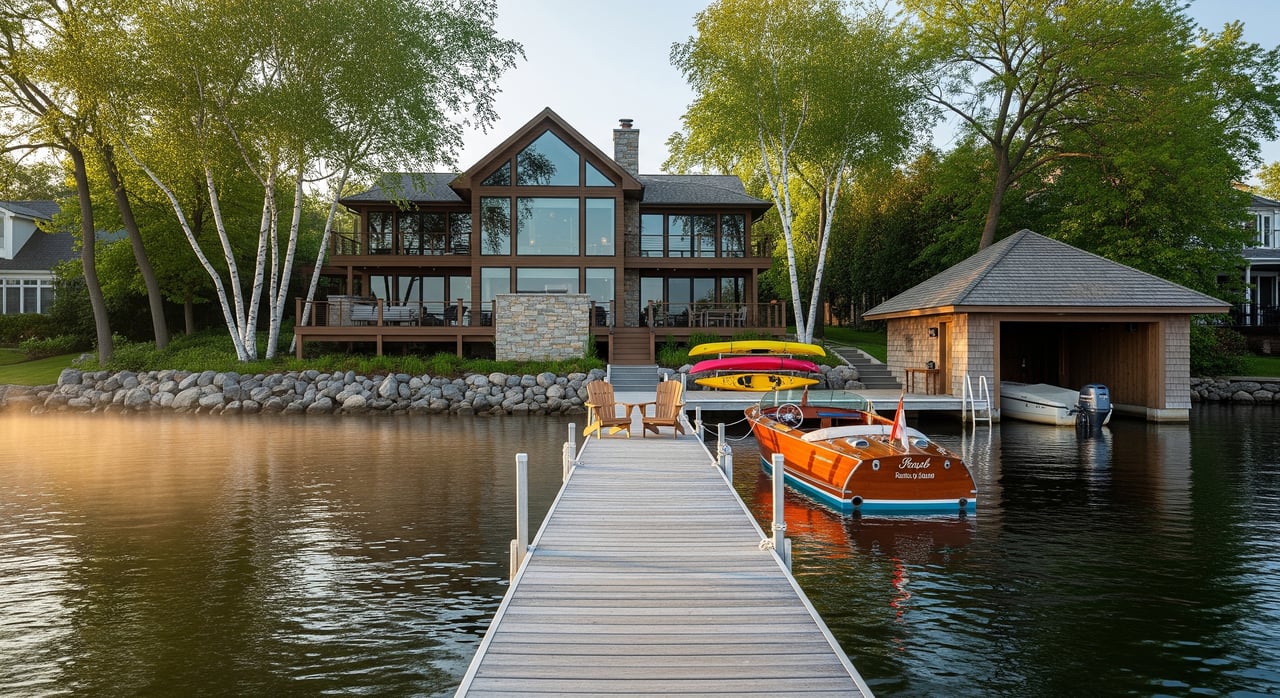
- Summer: Tour during active boating hours to verify navigation routes, water depth at the dock, and weekend boat traffic. Assess how the property lives “in season.”
- Early fall: Use slower traffic to negotiate. Ask for concessions or timing that aligns with your move-in.
- Late fall to winter: Target value, and plan to confirm lake-specific details in spring if conditions are constrained.
Seller playbook by season
- Late winter prep: Complete repairs and obtain documents on dock rights, shoreline work, and any permits. Consider pre-listing inspections for septic, roof, and boathouse to reduce friction during peak season.
- Spring launch: Showcase open water with professional photography and 3D tours, and be ready for quick decisions. Review pricing weekly so you do not miss the prime window.
- Summer hold: Maintain curb and shoreline appeal. If activity slows, revisit price or presentation.
- Early fall adjust: If you missed in spring, consider a measured price reduction or repositioning. Decide whether to pause for winter or stay the course.
- Winter strategy: Expect a longer runway. Highlight year-round systems, winterized docks, and Wayzata access that matter even off-season.
Timeline to enjoy summer on the water
If you are buying
- January–March: Define target bays, budget, and dock needs. Line up financing and connect with local permitting offices for guidance on lead times.
- April–May: Write offers. Add inspection and permit contingencies that fit your plan for dock or shoreline work.
- May–June: Target closing to allow dock installation and early season use, depending on permits and vendor schedules.
If you are selling
- January–March: Prep, stage, and finalize marketing. Gather dock and shoreline records.
- April: List just after ice-out for maximum demand.
- May–June: Negotiate from a position of strength and plan closing dates that work for your summer plans.
Waterfront inspections and contingencies
Prioritize lake-specific due diligence so your summer goes smoothly.
- Dock and boathouse: Condition, ownership, and any permits on file
- Shoreline stability: Riprap, erosion, setbacks, and any prior work
- Septic systems: Age, compliance, and maintenance history
- Access and navigation: Weed beds, channels, depth at the dock, and lift capacity
- Mechanical and winterization: Heating systems, dock removal and storage plans, and year-round features that reduce off-season risks
Include clear timelines for these items and align them with local permit windows.
Market signals to watch
- Listings: Inventory usually ramps up in spring and peaks around late May, then declines through fall.
- Sales and closings: Contracts written in spring often close in late spring or early summer, so closed sales look strongest from June through September on the lake.
- Time on market: Fastest in spring, slowest in late fall and winter. Waterfront timelines can shift more year to year because ice-out varies.
- Price movement: List-to-sale ratios are highest in spring. You will see larger concessions and price reductions later in the year.
Climate and ice-out variability
Ice-out on Lake Minnetonka can occur as early as late March or as late as mid-May. That timing sets the tone for the entire season. Earlier ice-out can lengthen the effective listing and boating window, but each year is different. Build flexibility into your plan, especially for dock installation and shoreline projects that depend on open water.
Make your move with a plan
Buying or selling near Wayzata is part market timing, part property specifics, and part logistics. When you align your launch date, inspections, and permit steps with the lake’s seasonal rhythm, you put yourself in the best position to reach your goals and enjoy the water sooner.
If you want a tailored plan for your home or search, schedule a private consultation with Jim Schwarz. You will get a disciplined, process-driven strategy, local lakefront insight, and a seamless path from offer to closing.
FAQs
What is the best time to list a Wayzata lakefront home?
- Spring immediately after ice-out, typically April to June, captures the largest buyer pool and the fastest offer activity.
Is winter the best time to buy for a discount near Wayzata Bay?
- Winter can offer more negotiating leverage, but you will have limited visibility on lake conditions and may need to delay dock or shoreline work until spring windows open.
How do LMCD rules affect my buying or selling timeline on Lake Minnetonka?
- LMCD dock and boathouse rules can require permits and seasonal installation windows, so start early if you need changes before summer.
Do different Lake Minnetonka bays sell on different schedules?
- Yes. Open-water, deep Wayzata Bay properties and homes near amenities tend to move more steadily year-round, while shallow or protected coves are more seasonally sensitive.
How does ice-out change the pace of the market in Wayzata?
- Ice-out signals the start of active showings and boating access, which shifts demand into high gear. Earlier or later ice-out changes when sellers should launch and how buyers plan closings.