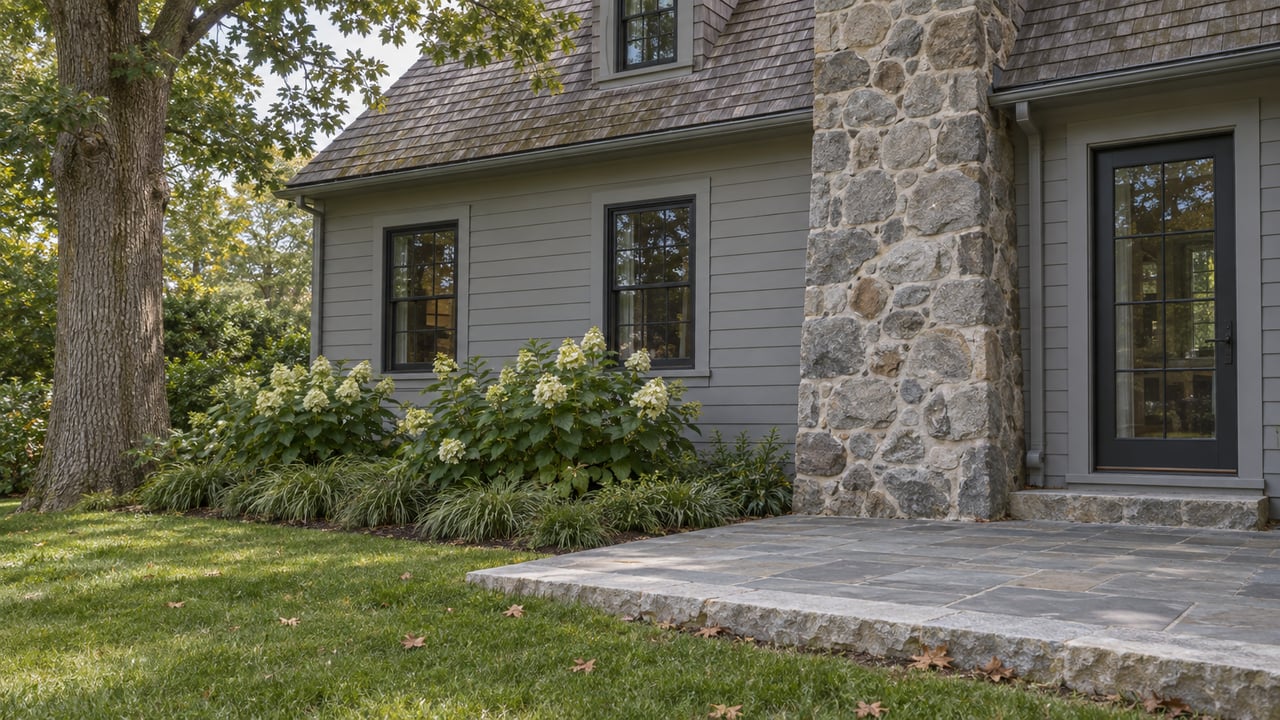
The House That Got Cheaper While Deephaven Got More Expensive
A four-bedroom home on Linden Road in Deephaven's Cottagewood neighborhood has been on the market three times in a little over a year. It first listed in June 2025 at $3.25 million. By this spring it was listed again at $2.995 million, a quarter-million-dollar cut on a 6,452-square-foot custom home with reclaimed timber beams, a heated pool, and 1.23 wooded acres. During that same twelve months, Deephaven's citywide median home sale price rose more than 55 percent to $1.67 million, according to the Saint Paul Area Association of Realtors.
Both things are true. A specific luxury estate got cheaper. The city's median got dramatically more expensive. If you're comparing Deephaven against other Lake Minnetonka suburbs and you've only seen the 55 percent headline, you're missing the part of the story that actually matters to your search.
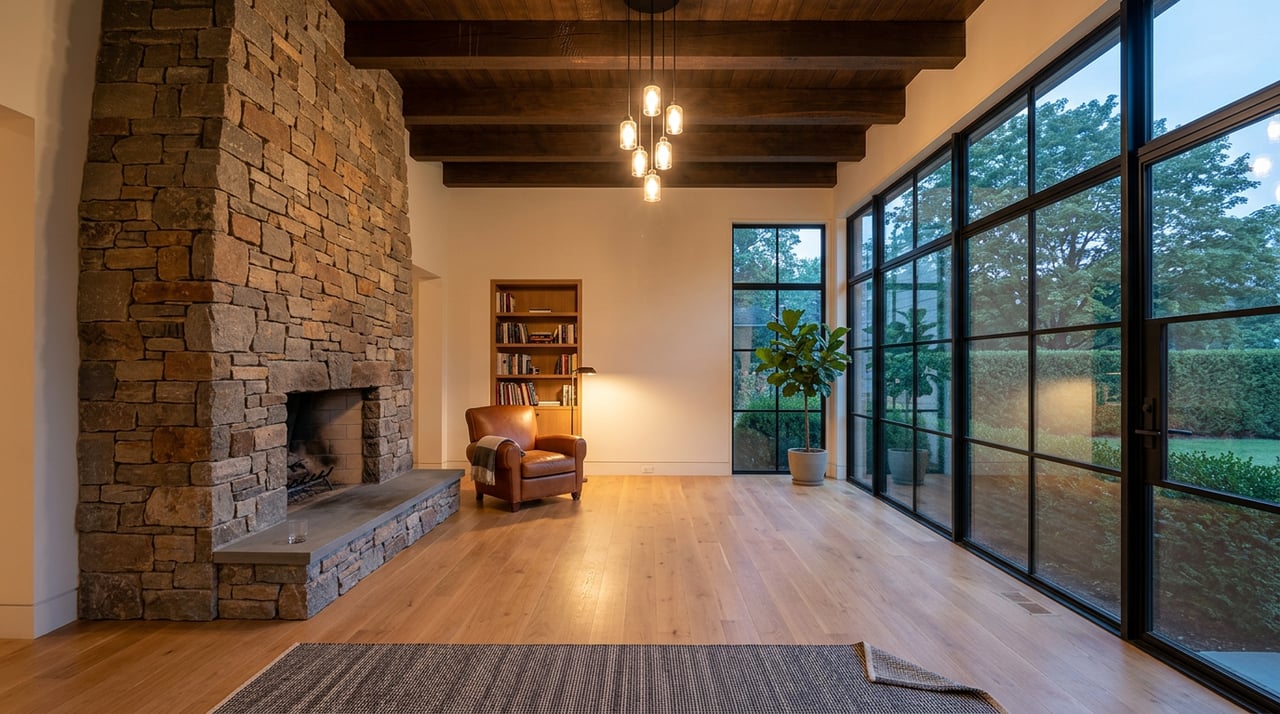
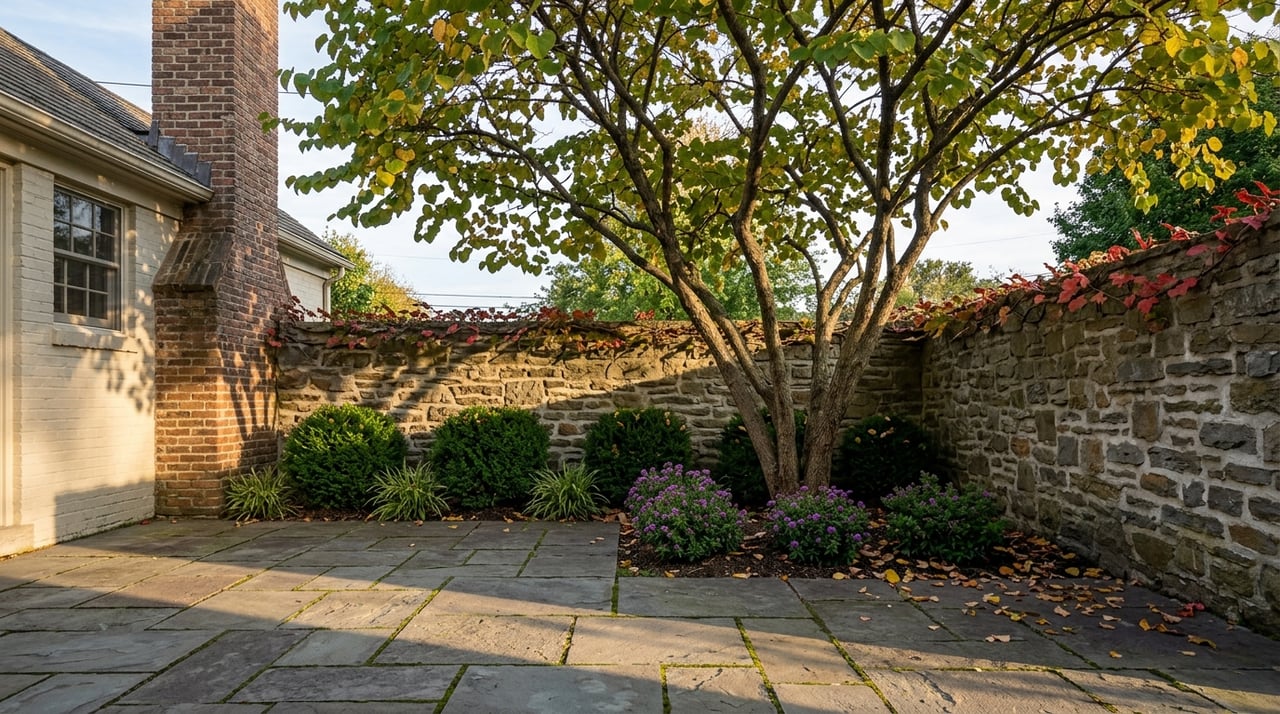
The Linden Road property was built in 2002 by Streeter Custom Builder as the founder's own residence and showcase home. Its current owners described a house that revealed itself slowly over the decade they lived there, with a bluestone courtyard connecting to the main living space and a screened gazebo built for hammocks. The listing agent called its mountain-lodge styling, heavy timber and stone against walls of glass, something you don't typically find in Minnesota.
None of that stopped it from sitting. It went on the market, came off, went back on at a lower number, came off again, and returned this spring at $2.995 million. That's not a story about weak demand for Deephaven real estate. It's a story about what happens to an individual property, however well built, when it has to find the one buyer whose taste and budget align with a house designed to be a personal statement rather than a broadly marketable floor plan.
That distinction matters more in Deephaven than in most suburbs, because Deephaven's housing stock isn't one market. It's two.
Deephaven covers 2.43 square miles and, as of the 2026 estimate, has a population of roughly 3,704 people. It is one of the smallest incorporated cities on Lake Minnetonka, built out along the eastern shore with almost no vacant land left to develop. That combination, tiny population and a fixed lot supply, means a small number of closings in any given year can move the median sale price by a wide margin without reflecting a shift in what every home in the city is actually worth.
A city that size doesn't sell homes in the volume that produces a stable, representative median. If two or three high-end estate sales close in a twelve-month window, the median can jump sharply even while the rest of the market moves at a normal pace. The Star Tribune's reporting on the Linden Road listing noted that Deephaven's luxury housing market has remained strong and that homes have generally sold more quickly despite an increase in listings. Read together with the median figure, and the more useful takeaway isn't "Deephaven is up 55 percent." It's that the mix of what sold shifted toward the high end, and that shift is doing most of the work in the number.
This is the same reason a single $2.995 million relisting can coexist with a citywide median that's climbing. The house isn't evidence against the trend. It's evidence of how the trend gets built, one uneven, hard-to-predict sale at a time in a market too small to smooth itself out.
Deephaven's built environment reflects its history as one of Lake Minnetonka's oldest lakeside communities. It was settled in 1876, and Cottagewood, the neighborhood where the Linden Road house sits, still carries what one Star Tribune source called a Norman Rockwell-esque character: narrow wooded lots, older cottages from the lake's early resort era, and a general store that has anchored the neighborhood since 1895. Layered into that same footprint are architect-driven estates built in the last two decades, homes like the Streeter showcase, designed less to blend in with the neighborhood's cottage-era scale and more to compete on craftsmanship and square footage.
Those two categories don't behave the same way in a sales report. An older Cottagewood cottage on a small lot sells into a different buyer pool, at a different pace, and at a different price band than a 6,452-square-foot custom estate with a heated pool and a bluestone courtyard. When you blend both categories into a single median, you get a number that describes neither one accurately. A buyer using the 55 percent figure to budget for a modest lake-adjacent cottage is working from the wrong data. So is a seller with an older home who assumes the citywide median applies directly to their listing price.
If you're comparing Deephaven to a neighboring lake suburb, the median sale price is a starting point, not a conclusion. The more useful questions are about the specific home and the specific comparable sales around it.
For a buyer, that means asking what actually sold in the last twelve months at the price point and architectural tier you're shopping. A cottage-era home on a smaller lot won't be priced off the same curve as a newer estate, even if both sit inside Deephaven's city limits and both get counted in the same median calculation.
For a seller, it means anchoring a price to sales of comparable homes rather than to a headline percentage. The Linden Road listing shows how a distinctive custom estate draws a narrow buyer pool, and how a strong citywide median can sit alongside a property that takes more than one listing period and a price change in search of a buyer.
Deephaven's small size, the same quality that gives it privacy and a settled, established feel, is exactly what makes its aggregate statistics harder to read at face value. The city's real estate story isn't one market moving 55 percent. It's two markets, one old and one new, occupying the same two and a half square miles and producing a single number that flattens the difference between them.
Does a 55 percent jump in Deephaven's median price mean my home is worth 55 percent more than last year?
Not necessarily. The median reflects what sold, not what every home is worth. In a small city like Deephaven, a handful of high-end estate sales can pull the median up sharply even if homes in other price tiers appreciated modestly or held flat. The right comparison is to recent sales of homes similar to yours in size, lot, and architectural style, not the citywide figure.
Why would a well-built luxury home need to be listed three times?
Custom estates designed as personal showcases, like the Linden Road property, are built to a specific vision rather than a broadly marketable template. That narrows the buyer pool considerably. A home can be excellent and still take longer to sell, or require a price adjustment, simply because it's waiting for the one buyer whose taste and budget line up with what makes the house distinctive in the first place.
If you're weighing Deephaven against other Lake Minnetonka communities and want a read on what a specific property or price point actually means in today's market, Jim Schwarz is available for a private consultation.
I pride myself in providing personalized solutions that bring my clients closer to their dream properties and enhance their long-term wealth.