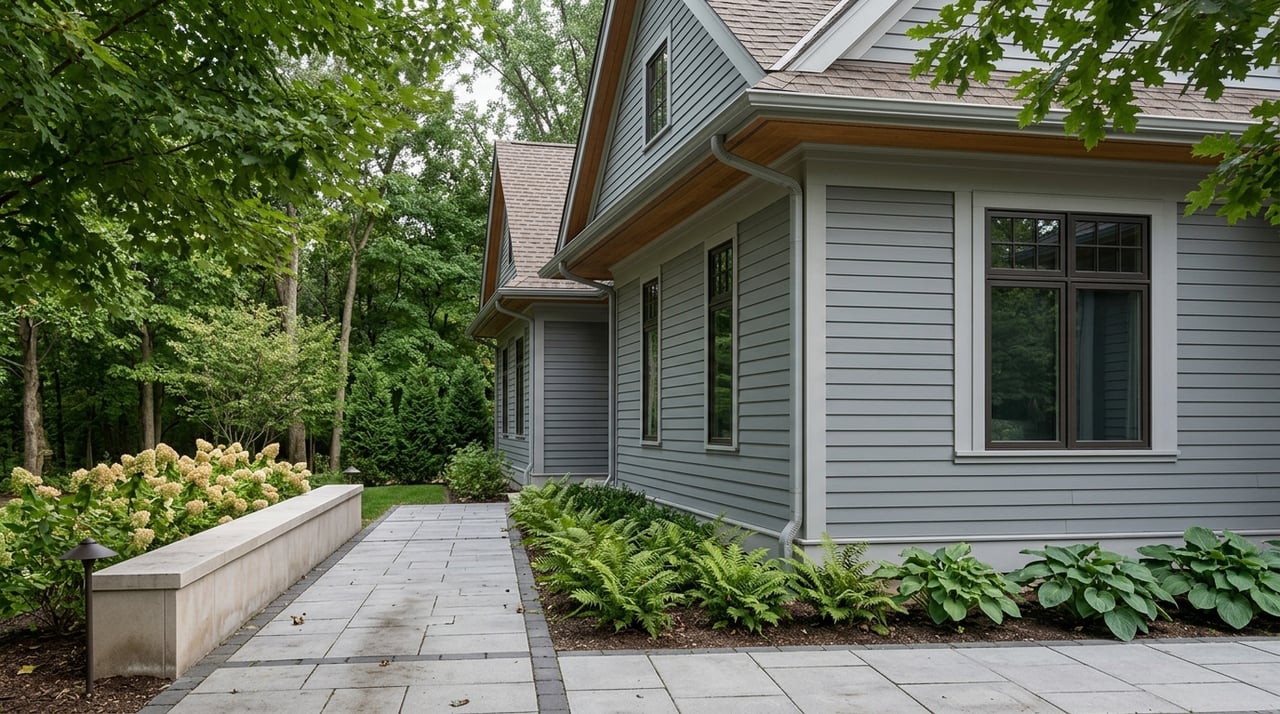
Victoria Homes Near Lakes And Parks: What To Consider
If you are drawn to Victoria for the lakes, trails, and open space, you are not alone. The city’s setting is a big part of its appeal, but buying near water or parkland involves more than picking a home with a pretty view. When you understand how Victoria’s lakes, trails, zoning, and site rules work together, you can make a more confident decision. Let’s dive in.
Victoria is known as the City of Lakes and Parks, and that identity is backed by a strong network of natural amenities. The city sits along the southwest edge of Lake Minnetonka and identifies a long list of local lakes, including Lake Virginia, Schutz Lake, Lake Zumbra, Steiger Lake, Wassermann Lake, and Lake Auburn.
For many buyers, the appeal is not just the water itself. Victoria says it has more than 53 miles of trails and sidewalks, with connections to downtown Victoria and the Lake Minnetonka Regional Trail. That means a home near lakes and parks may also offer convenient access to walking, biking, and everyday recreation.
One of the most important things to understand is that “near lakes and parks” does not point to one single type of neighborhood. Victoria’s zoning map includes a mix of residential, multi-family, high-density, old-town residential, park and open-space, and Lake Minnetonka residential districts.
In practical terms, you may find very different housing options tied to the same lifestyle theme. One property could be a single-family home near a quiet shoreline, while another could be a condo near downtown, a trail node, or a park-focused setting.
The city’s planning GIS also shows that many of these amenity-rich areas are organized as distinct enclaves. Names such as Lake Auburn, Lake Virginia Farmstead, Lake Wassermann Ridge, South Lake Virginia Shores, Smithtown Bay, and Steiger Lake Condominiums reflect that pattern.
When you tour homes in Victoria, it helps to compare location types instead of assuming all lake-area properties offer the same experience.
| Location type | What to consider |
|---|---|
| Lake-adjacent lots | Site rules, shoreline access, views, privacy, and possible permit layers |
| Park-side homes | Proximity to open space, trails, activity areas, and seasonal foot traffic |
| Downtown-adjacent homes | Walkability to events and trails, but potentially more activity nearby |
| Trail-connected neighborhoods | Strong recreation access and connectivity to downtown and regional trails |
| Condo or higher-density areas | Lower exterior maintenance in some cases, but different setting and density |
This kind of comparison matters in Victoria because your day-to-day experience can shift a lot from one pocket of the city to another.
If you are considering a home near a lake, pond, or wetland, the lot itself deserves close review. Victoria’s planning land-use GIS includes a Shoreland Overlay District, which is an important flag for buyers.
That designation can affect what is possible later if you want to expand the home, add outdoor features, change grading, or redesign the site. A property that feels ideal today may come with more site-related limitations than you expect.
This is especially important if you value outdoor living. Before you count on a future deck expansion, pool, patio, garage addition, or landscaping project, confirm what applies to that parcel.
Victoria’s permit materials make it clear that setbacks and impervious surface review are not minor details. City forms call for front, rear, and side setback information, and they also note maximum impervious surface limits for certain improvements, including accessory structures such as pools.
For buyers, this matters because lot usability is not just about size. Two properties with similar dimensions may offer very different flexibility depending on their setbacks, drainage conditions, and hard-surface limits.
If you are buying with renovation plans in mind, this step should happen early. It is much better to verify what is feasible before you fall in love with a concept that may not fit the site.
In Victoria, lakefront or lake-adjacent ownership can involve more than one layer of oversight. The Minnehaha Creek Watershed District manages water resources across a broad regional area, and the Lake Minnetonka Conservation District coordinates efforts across 14 cities and two counties tied to Lake Minnetonka.
That means buyers should not assume a standard suburban ownership experience when a property touches shoreline or has regular lake use. Depending on the location, you may need to consider city requirements, watershed considerations, DNR access information, and Lake Minnetonka Conservation District rules.
If the property includes shoreline access, dock use, or frequent boating activity on Lake Minnetonka, that broader rule set becomes especially relevant. Clear due diligence here can help you avoid surprises after closing.
Victoria’s outdoor lifestyle is one of its strongest draws. The city highlights fishing areas, public boat launches, beaches, kayak launches, lake-view parks, and access to Carver Park Reserve, which offers year-round trails, the Lowry Nature Center, Grimm Farm Historic Site, and access to three lakes.
For some buyers, that level of access is the whole point. You may want to walk to trails, launch a kayak nearby, or spend weekends moving easily between downtown, park space, and the water.
For others, privacy is the priority. In that case, it is worth looking closely at how near the home sits to active public spaces, major trail crossings, downtown gathering areas, or popular access points.
Steiger Lake offers a good example of why these distinctions matter. Carver Park Reserve notes that Steiger Lake has a no-wake restriction, which may appeal to buyers who want a calmer feel rather than a more active boating environment.
Public space in Victoria is not static. It is actively used, especially during the warmer months.
The city’s Live by the Lake series runs weekly at Bayfront Park on Stieger Lake, with some dates tied to Classic Car Nights and Kid Nights. The recreation program also includes spring and summer activities such as youth soccer and walking tours.
That can be a major benefit if you value community energy and easy walkability. It can also shape noise, parking, and activity patterns in nearby areas, so it is smart to visit at different times of day and, if possible, during active event periods.
Victoria’s comprehensive plan identifies growth areas in the western and southern parts of the city. In broad terms, that points to continued clustering of housing and infrastructure where road planning, trail connections, and open-space planning overlap.
For buyers, this can create opportunity. Newer housing and public improvements may continue to emerge in areas where access and connectivity are improving.
It also means today’s quiet edge may not stay unchanged forever. Looking at surrounding land-use patterns can help you better understand what the area may feel like over time.
Transportation improvements are another part of the equation. Victoria says Highway 5 is being expanded from two lanes to four between Highway 41 in Chanhassen and downtown Victoria.
The Downtown West and Highway 5-11 work also includes roundabouts, lane shifts, a Stieger Lake Lane extension, and periods of detour and full closure during 2026 and 2027 construction. At the same time, the city says new trail underpasses, an overpass, and added crossings will improve access to downtown and the Lake Minnetonka Regional Trail.
The long-term outcome may improve mobility and connections. In the short term, though, buyers should expect some construction-related travel friction and should think about how that could affect their routine.
Victoria is a four-season recreation market, and that shapes how a property lives throughout the year. The Lake Minnetonka Regional Trail is plowed in Victoria during winter months, which supports year-round use for many residents.
At the same time, lake conditions can change seasonally. The Lake Minnetonka Conservation District says blue-green algae blooms are a normal part of lake ecology and advises avoiding swimming in affected areas when blooms are present.
Seasonality also affects maintenance, access, and how often you may use certain features of a home or lot. A property that shines in July should still make sense for you in January, March, and November.
Before you move forward on a home near lakes and parks in Victoria, keep this checklist in mind:
A home near Victoria’s lakes and parks can offer a remarkable lifestyle, but the best choice depends on more than scenery. Access, privacy, lot constraints, seasonal use, public activity, and future flexibility all deserve a close look.
When you evaluate those details carefully, you can match the property not just to your taste, but to how you actually want to live. For a thoughtful, discreet approach to buying in Victoria and the broader Lake Minnetonka area, schedule a private consultation with Jim Schwarz.

I pride myself in providing personalized solutions that bring my clients closer to their dream properties and enhance their long-term wealth.