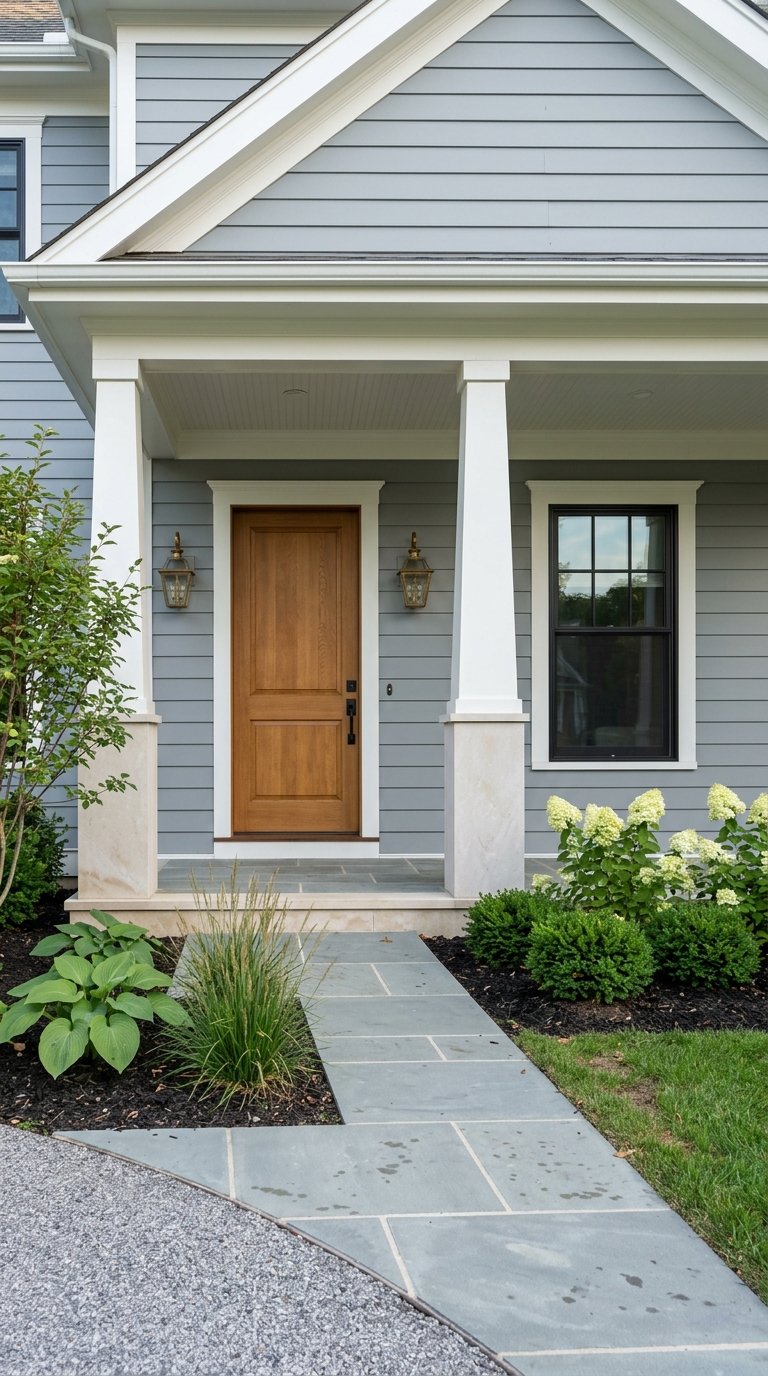
Navigating New Construction In Plymouth’s Luxury Market
If you are considering new construction in Plymouth’s higher-end market, you are not just choosing finishes and floor plans. You are making decisions about land scarcity, city approvals, long-term resale, and how a homesite fits into a mature community that is still evolving. When you understand those moving parts early, you can make better choices with more confidence. Let’s dive in.
Plymouth offers a rare mix of scale, stability, and lifestyle appeal in the west metro. The city’s population was estimated at 78,551 in 2024, with a 75.1% owner-occupancy rate, a median household income of $136,534, and a median owner-occupied home value of $491,200, according to the U.S. Census Bureau’s Plymouth quick facts. That data supports a strong higher-end housing story without suggesting that every part of Plymouth functions the same way.
For luxury buyers, the bigger point is that Plymouth is a mature market. In the city’s 2024 Financial Extra, Plymouth notes that redevelopment and infill are becoming the main path for growth because available space is limited. The same report said about 73 undeveloped or underdeveloped parcels remained in northwest Plymouth at that time, which helps explain why lot quality can carry so much weight.
In a greenfield suburb, buyers often focus first on the model home. In Plymouth, you are often better served by starting with the lot, the surrounding context, and the neighborhood trajectory. When land is limited, the difference between a good site and a great one can have an outsized effect on both daily enjoyment and future value.
That is especially true because Plymouth still added 532 residential units in 2023, including 137 single-family homes, based on the city’s 2024 Financial Extra. New construction is still happening, but it is not unlimited. In practical terms, that means you may be comparing infill opportunities, redevelopment settings, or homesites with more constraints than you would see in a newly expanding fringe market.
One of the biggest differences between buying an existing luxury home and building or buying new construction is the number of steps that happen before the home is complete. In Plymouth, the Planning Division reviews land subdivisions, new development, and redevelopment. Depending on the property, that process can involve plats, site plan approvals, variances, rezoning, planned unit development actions, or conditional use permits.
The city also notes that the Planning Commission reviews applications for conformance with the comprehensive plan and zoning ordinance. If an application is incomplete, it is sent back until all required materials are submitted. For you as a buyer, that means construction timing is tied not only to the builder’s schedule, but also to a sequence of public approvals and documentation requirements.
The review process does not end with planning. Plymouth states that building permits are required for new construction and additions, with separate trade-permit information for electrical and mechanical work. The city also notes that online permitting is only available for certain residential permits.
That may sound administrative, but it affects real-world expectations. A luxury new-build timeline can shift because of permit sequencing, inspections, and trade coordination, even when the design itself appears settled. If you are planning around a relocation, sale of another property, or a fixed move-in target, this is one of the most important realities to keep in mind.
In Plymouth, the lot may be the most important feature you buy because it is the hardest part to change later. Interior finishes can be updated. A kitchen can be redesigned. The site itself, however, shapes privacy, drainage, setbacks, views, and how the house sits within the neighborhood.
Plymouth says it is home to eight lakes, more than 800 wetlands, and over 250 water-quality ponds on its surface water resources page. The city also notes that wetlands are regulated under Minnesota’s Wetland Conservation Act. For buyers, that creates an important layer of due diligence because some homesites may have design, grading, drainage, or preservation-related constraints that are not obvious from a rendering or marketing brochure.
When comparing luxury new-construction opportunities in Plymouth, it helps to look beyond the house itself and study features such as:
These details can influence both your living experience and future resale appeal.
Luxury buyers are often thinking beyond the property line, and Plymouth gives them a lot to consider. The city’s park system includes 1,834 acres of park land. The same source describes the Northwest Greenway as a nearly 315-acre preserve with about 7.7 miles of paved trails, scenic overlooks, a pavilion, and connections to the Medicine Lake Regional Trail, Clifton E. French Regional Park, and Elm Creek Park Reserve.
That kind of amenity base matters because it supports lifestyle and resale in a mature suburban market. Buyers often value access to outdoor spaces, connected trails, and established public investment. In Plymouth, those features help explain why certain locations can feel especially durable over time.
Plymouth also offers practical transportation value. The city says Metrolink provides express commuter service to downtown Minneapolis and the University of Minnesota, plus on-demand local trips. Even for buyers who primarily drive, mobility options can add convenience and flexibility.
For many buyers, school assignment remains part of the decision-making process. The key is to stay precise. Wayzata Public Schools lists multiple Plymouth campuses on its attendance map, including Oakwood, Plymouth Creek, North Woods, Meadow Ridge, Greenwood, Kimberly Lane, Sunset Hill, and Wayzata High School.
The most useful takeaway is simple: do not assume an address falls into a particular attendance area based on neighborhood name or builder marketing. Verify the exact boundary for the specific property you are considering.
Plymouth is established, but it is not static. The city’s City Center 2.0 planning page describes boulevard redesign, landscaping, public art, new residential allowance in the central corridor, and broader efforts to create a more walkable downtown. The city is also exploring redevelopment around I-494 and Highway 55.
For a luxury buyer, this matters because some parts of Plymouth may become more mixed-use and urban in character over time, while others remain defined by parks, trails, and lower-density residential patterns. Neither direction is automatically better. What matters is whether the long-term trajectory fits your goals for lifestyle, privacy, convenience, and resale.
In a higher-end purchase, the monthly cost of ownership goes well beyond mortgage terms. Plymouth’s fiscal profile is one reason many buyers view it as both established and investable. On the city’s budget page, Plymouth reports AAA/Aaa bond ratings and says it has had the lowest tax rate since 2017 among peer Hennepin County suburbs over 45,000 population.
The same 2025 financial overview reported a 25.80% tax capacity rate, city taxes of $1,233 on a median $481,000 homestead, and a 1.1% increase in residential assessed value for 2025. While your actual tax burden will depend on the specific property, this context helps frame Plymouth as a market with both public investment and fiscal discipline.
If you are evaluating new construction in Plymouth, focus on a few key questions early:
In Plymouth, new construction is often a scarcity-and-systems story. Limited remaining land, detailed city review, strong public amenities, and shifting neighborhood patterns all shape the decision. When you evaluate those factors with care, you put yourself in a far stronger position to choose a property that works well now and holds up well later.
If you want a measured, high-touch perspective on Plymouth’s luxury new-construction opportunities, Jim Schwarz offers private guidance grounded in local market nuance, disciplined analysis, and a process-driven approach.
I pride myself in providing personalized solutions that bring my clients closer to their dream properties and enhance their long-term wealth.