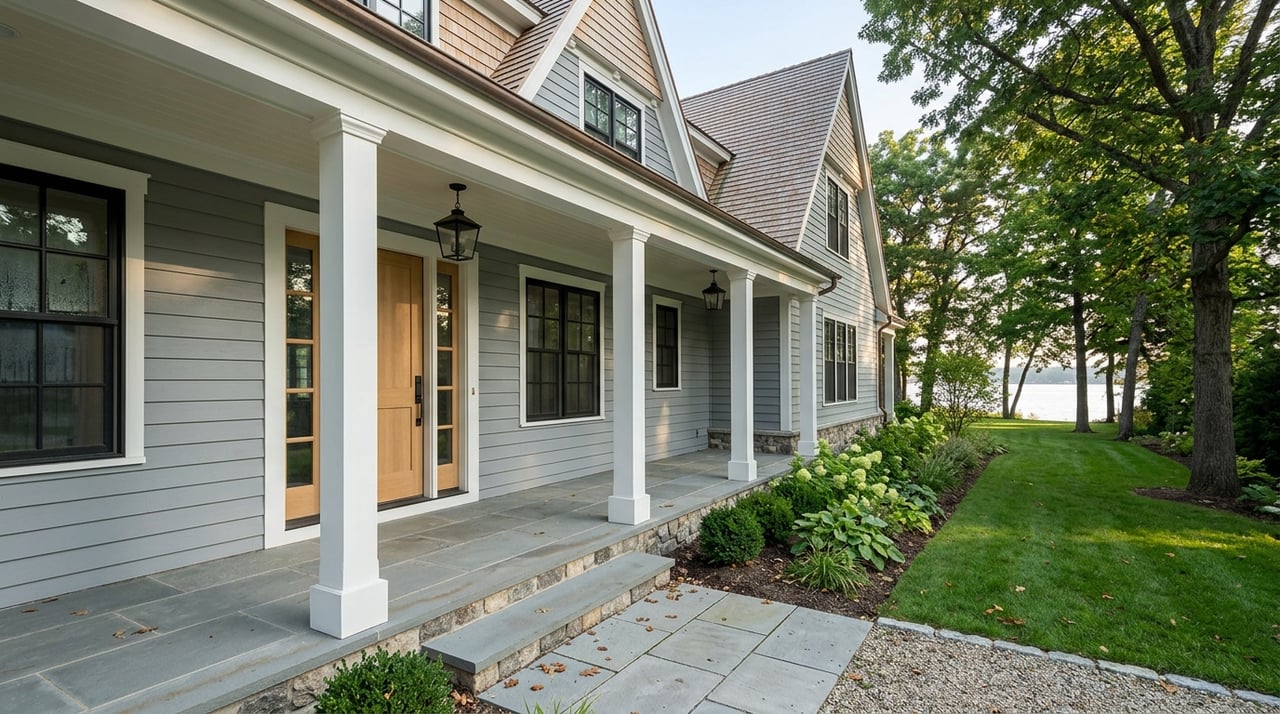
Wayzata Lakefront Living Beyond The Postcard
If you picture Wayzata lakefront living as a pretty view and a dock, you are only seeing part of the story. What makes this setting stand out is how the shoreline blends into everyday life, from walking trails and boardwalks to public docks, seasonal beach access, and a downtown that stays active beyond summer. If you are considering a move to Wayzata or simply want a clearer sense of what lakefront life really feels like here, this guide will help you look past the postcard and into the routine. Let’s dive in.
Wayzata sits at the northeast tip of Lake Minnetonka along Wayzata Bay, with the city also extending along Browns Bay and Gray’s Bay. It is about 11 miles west of downtown Minneapolis, which means you get a lakeside setting with close metro access. That balance is a major part of the appeal.
The city describes Wayzata as a small-town lakeside village with a thriving downtown business community, parks, and public spaces. Its vision also emphasizes walkability, strong neighborhoods, and stewardship of Lake Minnetonka. In practical terms, that means the waterfront is not separate from town life. It is woven into it.
For many people, that changes the experience of living here. The lake is not just something you drive to on weekends. It can shape how you start the morning, how you spend an afternoon, and how you connect with downtown on an ordinary day.
One of the clearest differences in Wayzata is that the shoreline is designed to be used on foot. The city’s Panoway project added a 1,200-foot boardwalk, improved pedestrian and bike access along Lake Street, and strengthened the connection between downtown and the lakefront. That investment supports a lifestyle built around movement and access.
The Dakota Rail Regional Trail adds another layer. According to Three Rivers Park District, the trail is paved, follows the Lake Minnetonka shoreline through Wayzata, and is plowed in winter within Wayzata. That helps make trail access part of year-round living rather than a short seasonal perk.
If you are evaluating homes in or near the waterfront area, this is worth noticing. In Wayzata, lakefront living is not only about private frontage. It is also about how easily you can step outside and be connected to the shoreline, downtown, and public spaces.
Panoway has helped redefine what the lakefront feels like in daily use. The project was designed to make the shoreline more accessible, more walkable, and more integrated with downtown activity. It also emphasizes habitat restoration, native plantings, and improved public access.
That matters because it keeps the waterfront active without making it feel purely commercial or purely residential. You see a stronger connection between civic space, outdoor recreation, and local businesses. For buyers, that often translates into a fuller lifestyle picture.
A common assumption is that lakefront in Wayzata is entirely private. It is not. The shoreline includes meaningful public access points that shape the community experience.
The Wayzata Depot area is a good example. The city describes it as one of its most popular gathering places, with gardens, an observation deck, seating, a short-term public dock, and a lakeside boardwalk connecting to Wayzata Beach. This creates a civic shoreline hub that residents and visitors can use in a casual, everyday way.
City docks also support short-term access for boaters visiting downtown. Boaters can tie up near the historic Depot or off Lake Street and Broadway Avenue, and city dock staff assist on weekends. Overnight mooring is not permitted, which is an important detail if you are trying to understand how the system works in real life.
You do not need to own a boat slip to enjoy the waterfront atmosphere in Wayzata. Public docks, the boardwalk, parks, and the beach help make the lake part of the local routine. That broadens the appeal for buyers who want a lake-connected lifestyle without assuming every activity begins from a private shoreline setup.
At the same time, if boating is central to your goals, it helps to understand the limits. Public access is real, but long-term storage and mooring are managed, finite, and regulated. A clear plan matters.
Boat culture is part of Wayzata, but it comes with structure. The city maintains a 100-slip municipal marina at Barry Avenue and Grove Lane, and slips are available only to Wayzata residents through a lottery process. Resident-only canoe, kayak, and paddle board rack rentals are also offered at Wayzata Beach and Little Beach next to the Wayzata Sailing Center.
That means lake access is strong, but it is not unlimited. If you are moving to Wayzata for boating, it is wise to think in terms of systems, timing, and availability rather than assumptions. The lifestyle is very real, but so are the logistics.
For some buyers, that is actually part of the appeal. Wayzata offers a well-used, well-managed waterfront environment rather than an informal free-for-all. If you value order, stewardship, and predictable rules, that structure can be a benefit.
Wayzata Beach and Marina is one of the clearest public expressions of lake life in town. The beach includes swimming, fishing, playground space, picnic areas, short-term public dock access, watersports rental and rack areas, seasonal concessions, and seasonal restrooms.
It is also important to understand the seasonal details. The beach is public from mid-June to mid-August, there is no lifeguard on duty, and Hennepin County samples the water to monitor swim safety. In other words, summer access is meaningful, but it is still structured and seasonal.
In some lake communities, the waterfront and downtown feel like separate zones. In Wayzata, they work together. The city describes a thriving downtown business community with shops, boutiques, and restaurants along Wayzata Boulevard and Lake Street, and Panoway was designed in part to keep downtown commerce vibrant.
That connection changes the feel of the area. You can move between shoreline views, trails, gathering spaces, and downtown businesses without a major transition. For many buyers, especially those relocating from more urban settings, that continuity is one of Wayzata’s strongest advantages.
It also supports a more social version of lake living. The lifestyle here is not limited to private entertaining or time on the water. It includes coffee, casual walks, public events, and impromptu stops downtown.
It is easy to romanticize a lake community in July. The better question is what the area feels like in January. Wayzata has a stronger year-round story than many people expect.
The city highlights recurring public events and activities such as Sunday Music in the Park, summer recreation and enrichment programs, and Maple Tree Tapping at Big Woods Preserve. That mix suggests a community calendar that extends across seasons rather than peaking only in summer.
Winter also keeps the lake in view. The city notes that residents can see ice racers, skaters, and many ice fishing houses on Lake Minnetonka. The DNR describes the lake as a system of basins popular for year-round recreation, with sunfish and crappies providing year-round fishing opportunities.
Winter recreation on and around the lake is active, but it also comes with clear safety expectations. LMCD winter rules note that the shore zone protects non-motorized activities such as snowshoeing, skating, and cross-country skiing. They also state that ice houses and portable shelters must be removed from Lake Minnetonka ice by midnight on the first Monday in March.
The Minnesota DNR does not measure ice thickness, so ice safety is the user’s responsibility. That is an important reality check for anyone imagining spontaneous winter lake use. In Wayzata, year-round recreation is part of the lifestyle, but it works best when approached with care and respect for the conditions.
One of the most meaningful parts of Wayzata’s lakefront identity is stewardship. The city says its character and economy are strongly influenced by its lakeside location, and its stormwater guidance explains that runoff, salt, and pet waste can affect Lake Minnetonka water quality. That makes lake living both a privilege and a responsibility.
Wayzata’s own stormwater page notes that Browns Bay and Wayzata Bay have historically shown among the best water quality on the lake. Panoway also reflects this stewardship approach through habitat restoration and native shoreline plantings. These details help explain why the area feels cared for in a visible, lasting way.
For buyers and sellers alike, this matters because it speaks to long-term value. A lakefront setting is strongest when the community actively protects the asset that defines it. In Wayzata, that effort is part of the local identity.
At the high end of the market, it is easy to focus only on frontage, views, and architecture. Those things matter, but in Wayzata, the day-to-day utility of the location deserves equal attention. Walkable shoreline access, short-term docking, trail connectivity, public gathering spaces, and downtown convenience all influence how a property lives.
That is especially important if you are relocating or buying a second home. You want to know not just what the house offers, but how the setting functions in every season. In Wayzata, the best lifestyle decisions often come from understanding those operational details early.
For sellers, this is also part of the story worth presenting well. Buyers at this level respond to more than visuals. They want context, clarity, and a realistic picture of how a home connects to the broader Wayzata experience.
If you are thinking about buying or selling in Wayzata, working with a trusted local advisor can help you evaluate not only the property, but also the routine that comes with it. For tailored guidance on the Wayzata and Lake Minnetonka market, schedule a private consultation with Jim Schwarz.


I pride myself in providing personalized solutions that bring my clients closer to their dream properties and enhance their long-term wealth.